
When Do You Need Root Canal Treatment? Signs, Procedure and Aftercare
A toothache can make eating, drinking and sleeping difficult. Sometimes, the pain comes from a problem deep inside the tooth.
When bacteria reach the soft tissue inside a tooth, they can cause inflammation or infection. This tissue is called the dental pulp. In some cases, a dentist may recommend root canal treatment to remove the infected tissue and save the natural tooth.
But how do you know when you need this treatment? What happens during the procedure? And does a root canal hurt?
This guide explains the warning signs, treatment steps and recovery process in simple terms.
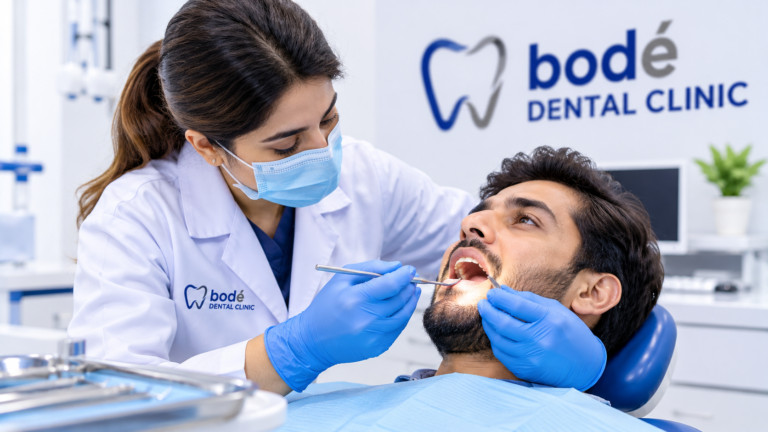
If you have ongoing tooth pain, a dental examination can help identify the cause. Bode Dental Clinic provides dental consultations and root canal treatment options in Bahria Orchard, Lahore.
What Is Root Canal Treatment?
Root canal treatment is a dental procedure that treats infection or damage inside a tooth.
Every tooth has a soft inner part called the pulp. It contains nerves and blood vessels. The pulp helps the tooth develop and stay healthy.
Deep decay, cracks or dental injuries can damage this tissue. When the pulp becomes infected or cannot recover, the dentist may recommend root canal treatment.
During the procedure, the dentist removes the affected pulp. They then clean and disinfect the root canals before filling and sealing them.
The dentist restores the top of the tooth with a suitable filling or crown. This helps protect the tooth and restore its function.
The main goal is to save your natural tooth when possible.
What Causes a Tooth to Need Root Canal Treatment?
Several problems can damage the pulp inside a tooth.
1. Deep Tooth Decay
Tooth decay often starts in the outer enamel. If it continues without treatment, it can reach the deeper layers.
When bacteria reach the pulp, they may cause inflammation or infection. A simple filling may no longer be enough.
Your dentist will examine the tooth and decide whether root canal treatment is suitable.
2. Cracked or Broken Tooth
A crack can allow bacteria to reach the inner part of a tooth. Some cracks are difficult to see without a dental examination.
You may notice pain while chewing or sensitivity that does not go away.
3. Dental Injury
An accident, sports injury or direct impact can damage the pulp. Sometimes, the tooth looks normal from the outside.
However, the injury may affect the tissue inside. A dental checkup can help identify hidden damage.
4. Repeated Dental Procedures
A tooth that has received several dental treatments may develop pulp problems.
Deep fillings or repeated procedures can affect the inner tissue. Your dentist will assess the tooth before recommending further treatment.
7 Signs You May Need Root Canal Treatment
Tooth pain does not always mean you need a root canal. However, certain symptoms may indicate a deeper problem.
1. Persistent Toothache
Pain that continues or returns repeatedly deserves attention.
It may become worse when you chew or apply pressure to the tooth. Sometimes, the pain can disturb your sleep.
Persistent toothache can have several causes. A dentist needs to examine the tooth before deciding on treatment.
2. Sensitivity to Hot and Cold
Do you feel sharp discomfort when drinking hot tea or cold water?
Sensitivity that continues after the hot or cold item is removed may indicate pulp irritation or damage.
Not every sensitive tooth needs a root canal. Cavities, worn enamel and gum recession can also cause sensitivity.
3. Pain While Chewing
Pain when biting or chewing can indicate damage around or inside a tooth.
You may feel pressure or discomfort when eating. The tooth may also feel different from the surrounding teeth.
Do not keep chewing on a painful tooth. Arrange a dental examination.
4. Swollen or Tender Gums
An infection near a tooth root can affect the surrounding gums.
You may notice swelling, tenderness or a small pimple-like bump near the affected tooth.
Sometimes, pus may drain from the area. This needs dental attention.
5. Darkening of a Tooth
A tooth that becomes darker than the surrounding teeth may have suffered internal damage.
Injury or changes inside the tooth can affect its colour. A dentist can examine it and determine the cause.
6. Facial or Jaw Swelling
An infection can spread beyond the affected tooth. You may notice swelling around the gums, jaw or face.
Do not ignore swelling, especially when it occurs with pain or fever. Seek urgent dental care.
7. No Pain Despite an Infection
A damaged or infected tooth does not always cause severe pain.
In some cases, the pulp may stop responding because the tissue has died. The infection can still remain around the root.
Regular dental examinations can help identify problems that do not cause obvious symptoms.
How Does a Dentist Confirm the Need for a Root Canal?
Your dentist will not recommend a root canal based on pain alone.
The examination may include:
- Questions about your symptoms and dental history.
- Checking the affected tooth and surrounding gums.
- Testing how the tooth responds to temperature or pressure.
- Checking for tenderness when the dentist taps the tooth.
- Dental X-rays to examine the roots and surrounding bone.
These checks help the dentist understand the condition of the pulp and the surrounding tissues.
The dentist will then discuss suitable treatment options. A root canal may be recommended when the pulp is infected or severely damaged and the tooth can still be restored.
How Is Root Canal Treatment Performed?
The exact procedure depends on the tooth and the extent of the infection. Many treatments involve the following steps.
Step 1: Dental Examination
The dentist examines your tooth and may take an X-ray.
This helps assess the roots and surrounding area. The dentist also checks whether the tooth can be saved.
Step 2: Local Anaesthesia
The dentist uses local anaesthesia to numb the affected area.
You remain awake during the procedure. The aim is to keep you comfortable while the dentist treats the tooth.
Tell your dentist if you feel discomfort during treatment.
Step 3: Removing the Infected Pulp
The dentist makes a small opening in the tooth to reach the pulp.
They remove the infected or damaged tissue from inside the tooth.
Step 4: Cleaning the Root Canals
The dentist cleans and shapes the narrow canals inside the roots.
They also disinfect the area to reduce bacteria. This prepares the canals for sealing.
Step 5: Filling and Sealing
After cleaning, the dentist fills the canals with a suitable dental material.
They then seal the opening. A temporary filling may be used if the treatment requires another visit.
Step 6: Final Restoration
The tooth needs a suitable restoration after root canal treatment.
Depending on the remaining tooth structure, the dentist may recommend a permanent filling or dental crown.
A crown may be needed when the tooth has lost significant structure or faces a higher risk of breaking.
Does Root Canal Treatment Hurt?
Many patients worry about pain before a root canal.
Modern local anaesthesia helps numb the tooth during treatment. Most patients experience pressure or movement rather than sharp pain.
The procedure aims to treat the source of infection and help relieve the pain caused by it.
After treatment, the tooth may feel tender for a few days. This usually improves as the area settles.
Contact your dentist if you experience severe pain, increasing swelling or symptoms that do not improve.
How Many Visits Does Root Canal Treatment Take?
The number of appointments depends on the tooth and the complexity of treatment.
Some cases may need one visit. Others require two or more appointments.
Your dentist may place a temporary filling between visits. The final restoration follows once the dentist completes the required treatment.
Follow the appointment schedule recommended by your dentist. Do not leave a temporary filling or unfinished treatment without follow-up.
What Happens After Root Canal Treatment?
Recovery varies from person to person.
You may notice mild tenderness around the treated tooth. The surrounding area may also feel sensitive for a short time.
Your dentist will explain what to expect based on your treatment.
Aftercare Tips
Follow these simple steps after treatment:
- Follow your dentist’s instructions.
- Avoid chewing hard foods on the treated tooth until it has its final restoration.
- Choose softer foods if the area feels tender.
- Brush gently twice daily.
- Clean between your teeth every day.
- Take medicines only as directed by your dentist or healthcare professional.
- Attend your follow-up appointments.
- Contact your dentist if your temporary filling becomes loose or falls out.
A tooth that has received root canal treatment can still develop new decay or gum problems. Continue regular dental care.
Will I Need a Dental Crown After Root Canal Treatment?
Not every tooth needs a crown.
The decision depends on how much healthy tooth structure remains and where the tooth sits in your mouth.
Back teeth handle greater chewing pressure. A crown may help protect a back tooth that has lost a significant amount of structure.
Some teeth may only need a suitable permanent filling.
Your dentist will assess the tooth and recommend the restoration that best suits its condition.
What Happens If You Delay Root Canal Treatment?
An untreated infection inside a tooth can become worse.
The infection may spread into the surrounding tissues and cause an abscess. You may experience pain, swelling or drainage near the affected tooth.
In some cases, the tooth may become impossible to save. Extraction may then become necessary.
If you have persistent pain or swelling, arrange a dental examination instead of waiting for the symptoms to disappear.
Facial swelling with fever needs urgent attention. If you have difficulty breathing or swallowing, seek emergency medical care immediately.
Root Canal Treatment at Bode Dental Clinic, Bahria Orchard, Lahore
Tooth pain can affect your daily routine. Finding the cause is the first step towards suitable treatment.
Bode Dental Clinic provides dental consultations and root canal treatment options for children and adults.
Dr. Nasir Leghari has been caring for patients at the clinic since 2021. The dentist assesses each case before discussing suitable treatment options.
If you have persistent toothache, sensitivity or swelling, arrange a dental checkup.
Clinic address:
Plaza #7, Central Commercial, Raiwind Road, near UBL Bank, Bahria Orchard, Lahore.
Call or WhatsApp: 0307 8287515
You can also explore our Dental Services or visit the Bode Dental Clinic homepage.
For appointment enquiries, contact our clinic.
Frequently Asked Questions About Root Canal Treatment
1. How do I know if I need a root canal?
Persistent toothache, prolonged sensitivity, pain while chewing, gum swelling and tooth discolouration can indicate pulp damage. A dentist must examine your tooth before confirming the need for treatment.
2. Can a tooth need a root canal without pain?
Yes. Some damaged or infected teeth do not cause obvious pain. An examination and dental X-ray may help identify the problem.
3. Is root canal treatment better than tooth extraction?
When a tooth can be saved, root canal treatment may help preserve your natural tooth. Extraction removes the tooth and may create a need for replacement. Your dentist can explain the suitable options.
4. How long does root canal treatment take?
Treatment time depends on the tooth and the complexity of the case. Some patients need one visit, while others need multiple appointments.
5. Can I eat after a root canal?
Follow your dentist’s instructions. Avoid chewing on the treated tooth while it remains temporarily filled or numb. Choose food that does not put pressure on the area.
6. Does a root canal-treated tooth need a crown?
Some teeth need a crown for protection, while others may only need a permanent filling. The decision depends on the remaining tooth structure and chewing pressure.
7. Can an infected tooth heal without a root canal?
An infected pulp generally needs dental treatment. The dentist may recommend root canal treatment or extraction, depending on whether the tooth can be restored.
8. Where can I find a dentist nearby for root canal treatment?
If you are looking for a dental clinic near Bahria Orchard, Lahore, you can contact Bode Dental Clinic to arrange an examination. The dentist can assess your tooth and discuss suitable treatment options.
Important medical note: This article provides general dental information. It does not replace a dental examination, diagnosis or individual treatment advice.