Scaling and Polishing: Benefits and What to Expect
Have you noticed yellow or brown deposits around your teeth? Do your gums bleed when you brush? These signs may mean plaque or tartar has built up around your teeth.
Brushing and flossing help remove plaque every day. However, hardened deposits can remain in areas that are difficult to clean at home. A professional dental cleaning can help remove these deposits.
Scaling and polishing is a common dental procedure that helps remove tartar, plaque deposits and some surface stains. It also gives your dentist a chance to assess your teeth and gums.
If you are looking for scaling and polishing in Bahria Orchard, Lahore, understanding the procedure can help you make an informed decision.
What Is Scaling and Polishing?
Scaling and polishing is a professional dental cleaning procedure. It usually involves two steps.
Scaling removes plaque, tartar and other deposits from tooth surfaces. Your dentist may use an ultrasonic scaler or hand instruments for this process.
Polishing removes some remaining surface deposits and external stains. It uses a dental polishing tool with a suitable polishing paste.
Both steps help clean areas that regular brushing may not reach properly.
What Is the Difference Between Plaque and Tartar?
Plaque and tartar are common causes of dental hygiene problems. However, they are not the same.
What Is Dental Plaque?
Plaque is a soft, sticky film of bacteria that forms on your teeth. It develops throughout the day, especially after eating and drinking.
Regular brushing and cleaning between your teeth help remove plaque. If it remains on your teeth, it can harden over time.
What Is Tartar?
Tartar is hardened plaque that sticks firmly to tooth surfaces. Dentists also call it dental calculus.
You cannot remove established tartar with a normal toothbrush. A dental professional needs to remove it with suitable instruments.
Tartar can collect near the gumline and between teeth. It may contribute to gum irritation and make daily cleaning more difficult.
Why Might You Need Scaling and Polishing?
You may need professional cleaning if plaque or tartar has built up around your teeth.
Some common signs include:
- Yellow or brown deposits near the gumline.
- Bleeding gums while brushing or flossing.
- Red, swollen or tender gums.
- Persistent bad breath.
- Rough deposits behind your lower front teeth.
- Visible surface stains on your teeth.
These signs do not always mean you need scaling and polishing. Other dental conditions can cause similar symptoms.
A dental examination helps identify the cause and suitable treatment.
What Are the Benefits of Scaling and Polishing?
The benefits depend on your oral health and the amount of plaque or tartar present.
1. Removes Hardened Tartar
Tartar sticks firmly to your teeth. Regular brushing cannot remove it once it hardens.
Professional scaling removes these deposits from accessible tooth surfaces. Your dentist can also check areas near the gumline.
2. Helps Manage Plaque and Gum Irritation
Plaque contains bacteria that can irritate your gums. When plaque remains around the gumline, your gums may become red, swollen or bleed.
Removing plaque and tartar can support better gum care. However, established gum disease may need additional treatment.
3. Removes Some Surface Stains
Tea, coffee and certain foods can leave stains on your teeth. Smoking and tobacco use can also cause external staining.
Polishing can remove some surface stains and deposits. It does not change the natural colour of your teeth like professional teeth whitening.
4. Helps Improve Oral Hygiene
Clean tooth surfaces make daily brushing and flossing easier to manage.
Your dentist can also show you how to clean difficult areas. This guidance can help you improve your daily oral hygiene routine.
5. Helps Your Dentist Assess Your Gum Health
A cleaning appointment also provides an opportunity to examine your teeth and gums.
Your dentist may check for gum inflammation, tartar deposits, cavities and other concerns. If needed, they can recommend further examination or treatment.
Remember: Scaling and polishing is not a replacement for daily brushing, cleaning between your teeth or regular dental checkups.
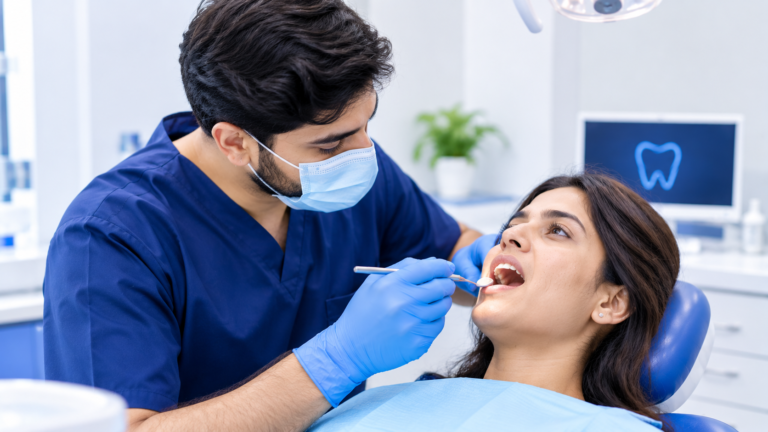
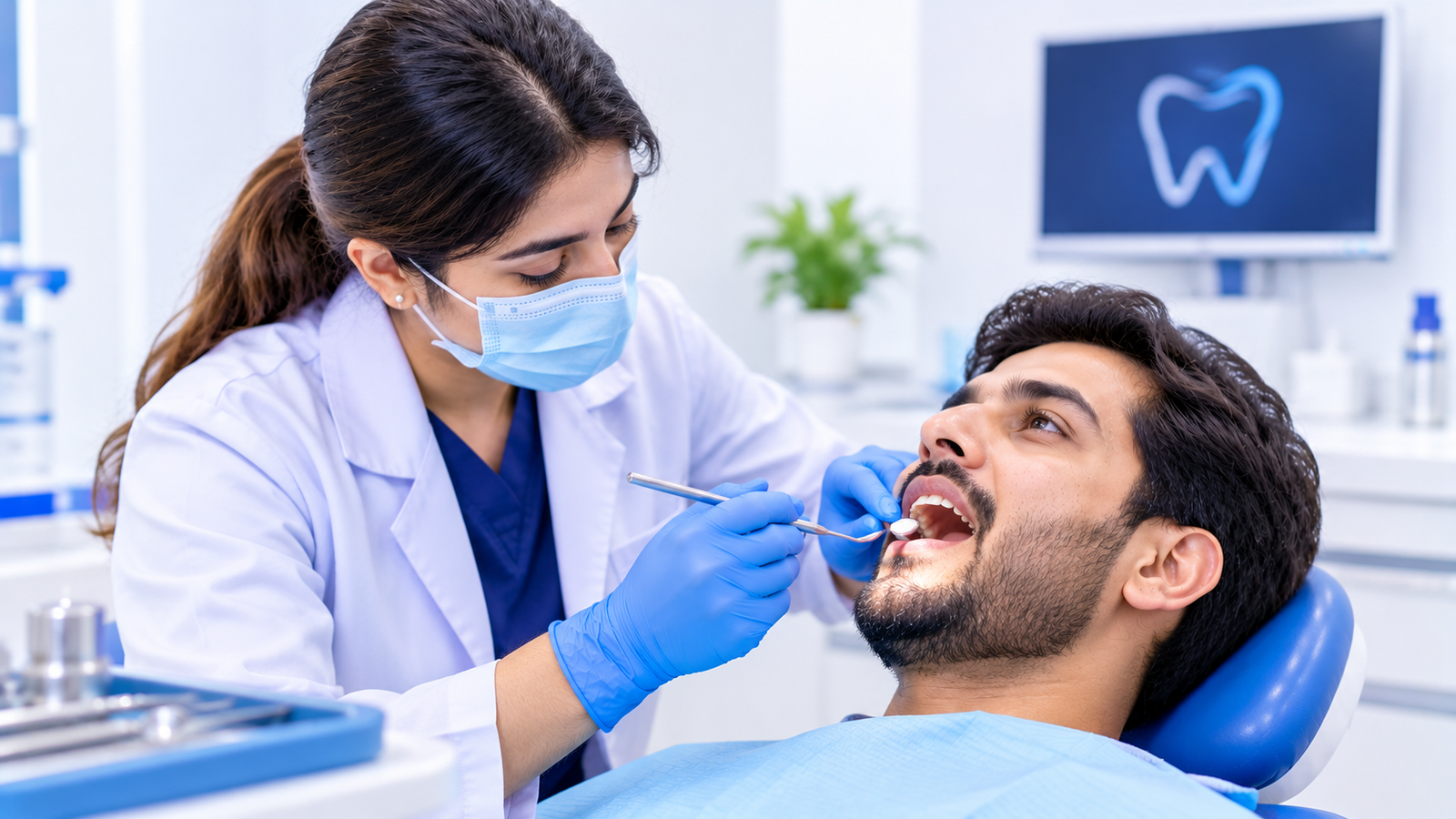
What Happens During a Scaling and Polishing Appointment?
Many patients feel nervous before their first dental cleaning. Knowing the steps can make the appointment easier.
Here is what you can generally expect.
Step 1: Dental Examination
Your dentist checks your teeth and gums before starting. They look for tartar, plaque, gum inflammation and other dental concerns.
They may ask about tooth sensitivity, bleeding gums or discomfort.
Step 2: Removal of Plaque and Tartar
The dentist uses suitable dental instruments to remove deposits from your teeth.
An ultrasonic scaler may produce a light vibration and water spray. Hand instruments may also help clean specific areas.
You may hear a buzzing sound during this stage. You may also feel some pressure or sensitivity.
Step 3: Cleaning Around the Gumline
Your dentist pays attention to areas where deposits collect. These areas often include the gumline and spaces between teeth.
The cleaning method depends on the amount and location of the deposits.
Step 4: Polishing the Teeth
After scaling, your dentist may polish your teeth with a suitable dental tool and polishing paste.
This step helps remove some remaining surface stains and deposits. It also leaves the cleaned surfaces feeling smoother.
Step 5: Aftercare Advice
Your dentist explains how to maintain your oral hygiene at home.
They may also recommend a follow-up appointment based on your gum condition and individual needs.
Does Scaling and Polishing Hurt?
Routine scaling and polishing is generally manageable for many patients. However, your experience depends on your gum health and the amount of tartar present.
You may feel:
- Mild pressure during scaling.
- Temporary sensitivity to cold water.
- Slight gum tenderness.
- Minor bleeding if your gums are already inflamed.
If you have sensitive teeth or sore gums, tell your dentist before treatment.
Your dentist can adjust the approach and explain suitable ways to manage discomfort.
Severe or persistent pain is not something you should ignore. Contact your dentist if it develops after treatment.
How Long Does Scaling and Polishing Take?
The appointment time depends on the amount of plaque and tartar on your teeth.
A routine cleaning may take around 30 to 60 minutes. However, some patients need more time.
If you have heavy deposits or gum disease, your dentist may recommend additional appointments.
The dentist will explain the expected treatment time after examining your teeth.
What Should You Do After Scaling and Polishing?
Most patients can return to their normal routine after a routine cleaning. However, your gums or teeth may feel slightly sensitive for a short time.
Follow these simple aftercare tips.
Brush Gently
Use a soft-bristled toothbrush and brush twice daily. Avoid aggressive brushing around sensitive gums.
Clean Between Your Teeth
Use dental floss or another suitable interdental cleaning tool. Your dentist can recommend the right option.
Avoid Tobacco
Tobacco can stain teeth and negatively affect gum health. Avoiding it supports better oral hygiene.
Watch for Sensitivity
You may notice temporary sensitivity after cleaning. Avoid foods and drinks that trigger discomfort.
If sensitivity becomes severe or does not improve, contact your dentist.
Maintain Regular Dental Checkups
Your dentist can recommend your next visit based on your oral health. Not everyone needs professional cleaning at the same interval.
How Often Should You Get Scaling and Polishing?
There is no single cleaning schedule that suits everyone.
Your dentist considers several factors before recommending another appointment. These may include:
- Amount of plaque and tartar buildup.
- Gum health.
- History of gum disease.
- Smoking or tobacco use.
- Daily brushing and interdental cleaning habits.
- Other individual oral health risks.
Some patients may need more frequent professional cleaning. Others may not need it as often.
Follow your dentist’s advice rather than booking treatment at a fixed interval without an examination.
Is Scaling and Polishing the Same as Deep Cleaning?
No. Routine scaling and polishing is different from deep cleaning.
Routine scaling removes plaque and tartar from accessible tooth surfaces. Polishing helps remove some remaining surface deposits and stains.
Deep cleaning, also called scaling and root planing, treats deposits below the gumline in patients with periodontal disease.
It may involve cleaning deeper gum pockets and smoothing root surfaces. Your dentist may recommend local anaesthesia or more than one appointment.
The right treatment depends on your gum condition and examination findings.
Can Scaling and Polishing Whiten Your Teeth?
Scaling and polishing can remove some external stains from your teeth. This may make your teeth look cleaner.
However, it does not change the natural shade of your teeth.
If you want a noticeably lighter tooth colour, ask your dentist about professional teeth whitening. Your dentist can explain whether it is suitable for you.
Where Can You Get Scaling and Polishing in Bahria Orchard, Lahore?
If you are searching for a dental clinic near me or a dentist nearby, choose a clinic that examines your teeth before recommending treatment.
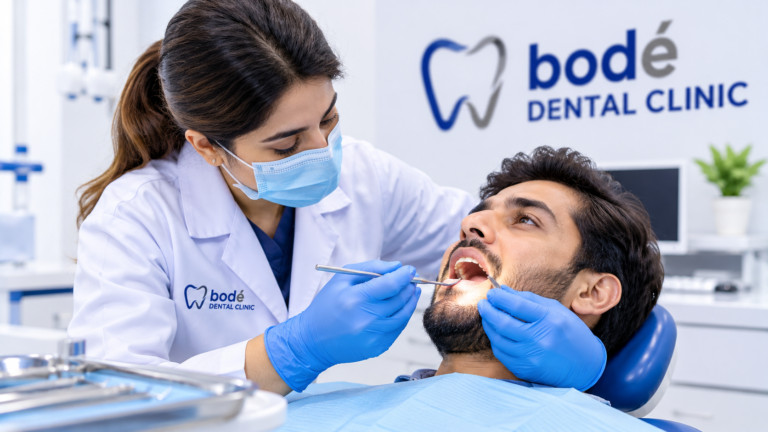
Bode Dental Clinic provides dental care in Bahria Orchard, Lahore. The clinic offers consultation and scaling and polishing services.
The dental team can assess your oral health and discuss suitable cleaning options.
Clinic Details
- Clinic: Bode Dental Clinic
- Address: Plaza #7, Central Commercial, Raiwind Road, near UBL Bank, Bahria Orchard, Lahore, Pakistan.
- Phone: 0307 8287515
- Hours: Monday to Saturday, 4:00 PM to 10:00 PM
- Sunday: Closed
If you have tartar buildup, bleeding gums or concerns about your oral hygiene, arrange a dental checkup.
Call 0307 8287515 to discuss an appointment.
Frequently Asked Questions About Scaling and Polishing
1. What is scaling and polishing in dentistry?
Scaling and polishing is a professional dental cleaning procedure. Scaling removes plaque and tartar from tooth surfaces. Polishing removes some remaining surface deposits and external stains.
2. Is scaling and polishing good for your teeth?
It can help remove hardened tartar and deposits that regular brushing cannot remove. Your dentist can also assess your gum health during the appointment. The benefits depend on your individual oral health.
3. Does scaling damage tooth enamel?
When performed correctly by a trained dental professional, scaling is designed to remove deposits without intentionally removing healthy enamel. Tell your dentist if you experience unusual sensitivity or discomfort.
4. Will my teeth become loose after scaling?
Scaling does not normally make healthy teeth loose. However, heavy tartar can hide existing gum and bone support problems. Once the deposits are removed, existing tooth mobility may become more noticeable.
5. Can I eat after scaling and polishing?
Most patients can eat after routine cleaning. If your teeth or gums feel sensitive, choose foods that do not trigger discomfort. Follow any specific instructions from your dentist.
6. How long does sensitivity last after scaling?
Some patients experience temporary sensitivity after cleaning. The duration varies depending on gum health and the amount of tartar removed. Contact your dentist if sensitivity is severe or persistent.
7. Is scaling and polishing necessary if I brush twice daily?
Brushing twice daily is important, but tartar can still build up in some areas. Your dentist can check whether professional cleaning is necessary.
8. How much does scaling and polishing cost in Bahria Orchard, Lahore?
The cost can depend on the amount of tartar, gum condition and treatment required. Contact Bode Dental Clinic at 0307 8287515 to ask about the current fee.
9. Can scaling and polishing remove yellow teeth?
It can remove some external stains and tartar that make teeth look yellow. It cannot change the natural colour of your teeth. Professional whitening may be an option if you want a lighter shade.
10. Where can I find a dental clinic for scaling and polishing near me?
If you are in Bahria Orchard or near Raiwind Road, Lahore, you can contact Bode Dental Clinic. The clinic is located at Plaza #7, Central Commercial, Bahria Orchard, Lahore.
Final Thoughts
Healthy teeth need more than daily brushing. Plaque and tartar can collect in areas that are difficult to clean at home.
Scaling and polishing helps remove these deposits and supports better oral hygiene. The right treatment and cleaning schedule depend on your dental condition.
If you are looking for scaling and polishing in Bahria Orchard, Lahore, visit Bode Dental Clinic for a dental assessment.
Call 0307 8287515 to discuss your appointment.