
GIC vs Composite Fillings: What’s the Difference?
A cavity can affect the way you eat, drink and care for your teeth. A dental filling helps restore a tooth after decay damages it.
Dentists use different materials for fillings. Two common options are Glass Ionomer Cement (GIC) and composite resin.
Both materials help repair damaged teeth, but they have different uses and features. Their appearance, strength and suitability can vary depending on the tooth.
If you are considering a dental filling, understanding these differences can help you discuss your options with your dentist.
At Bode Dental Clinic in Bahria Orchard, Lahore, patients can discuss suitable filling options after a dental examination.
What Are Dental Fillings?
A dental filling repairs a tooth affected by decay or minor damage.
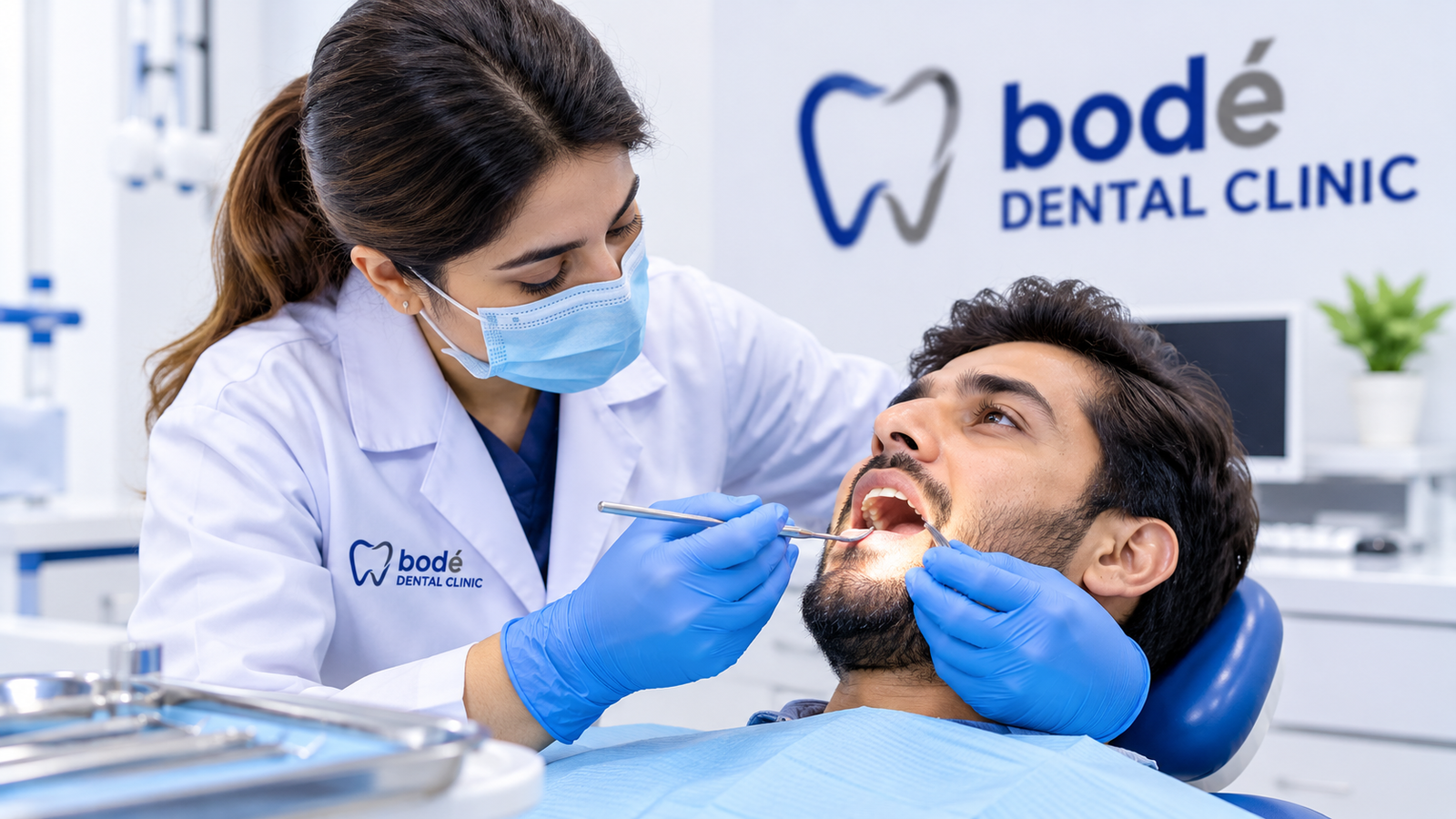
First, the dentist examines the tooth and checks the extent of the problem. If a filling is suitable, the dentist removes the decayed portion and restores the affected area with an appropriate material.
The main purpose is to restore the tooth’s shape and function. A filling can also help protect the remaining tooth structure.
GIC and composite are two materials dentists may consider for this treatment.
What Is a GIC Dental Filling?
GIC stands for Glass Ionomer Cement. It is a tooth-coloured dental material used for certain types of fillings.
One useful feature of GIC is its ability to release fluoride over time. Fluoride can help protect teeth against further decay.
Dentists may consider GIC for selected cavities, including some areas near the gumline. Its suitability depends on the tooth, cavity size and biting pressure.
Benefits of GIC Fillings
- They can release fluoride over time.
- They bond chemically to tooth structure.
- They can be useful for selected cavities near the gumline.
- They offer a tooth-coloured appearance.
- They may suit certain situations where moisture control is difficult.
Limitations of GIC Fillings
GIC does not always provide the same strength or wear resistance as composite resin.
It may not be the first choice for every cavity, especially in areas that receive heavy chewing pressure.
The dentist must assess the location and size of the cavity before recommending this material.
What Is a Composite Dental Filling?
A composite filling uses a tooth-coloured resin material. Dentists shape it to restore the damaged part of a tooth.
Composite resin can closely match the natural shade of your teeth. This makes it a popular option when the appearance of a filling matters.
The dentist places the material in the prepared cavity and hardens it with a special curing light.
Benefits of Composite Fillings
- They can match the natural tooth shade.
- They provide a natural-looking finish.
- They bond to the tooth structure.
- They can restore the shape of the damaged area.
- They are suitable for many front and back tooth restorations, depending on the case.
Limitations of Composite Fillings
Composite fillings require good moisture control during placement.
They can also wear or chip over time, depending on the location, size and biting pressure.
Your dentist may recommend a different restoration if the tooth has extensive damage.
GIC vs Composite Fillings: Key Differences
Both materials have useful features. However, they are not suitable for exactly the same situations.
| Feature | GIC Filling | Composite Filling |
|---|---|---|
| Material | Glass ionomer cement | Resin-based composite |
| Appearance | Tooth-coloured | Can closely match natural teeth |
| Fluoride release | Releases fluoride | Does not provide the same fluoride release |
| Bonding | Chemical bond to tooth structure | Bonds using an adhesive system |
| Strength | Generally less wear-resistant | Generally offers better strength and wear resistance |
| Appearance and aesthetics | Suitable for some areas | Often preferred when appearance is important |
| Common uses | Selected cavities and gumline areas | Many front and back tooth restorations |
The best choice depends on the tooth’s condition, cavity location and your dental needs.
Which Filling Is Better for You?
There is no single filling material that suits every patient.
Your dentist will consider several factors before recommending treatment.
1. Location of the Cavity
A cavity near the gumline may need a different approach from one on a chewing surface.
The dentist checks the location and the amount of pressure the tooth receives.
2. Size of the Cavity
Small and moderate cavities may be suitable for direct fillings. Extensive damage may require another type of restoration.
3. Appearance of the Tooth
Composite fillings can match the natural shade of your teeth. This can make them a suitable option when appearance matters.
GIC also has a tooth-coloured appearance, but its finish may differ.
4. Condition of the Tooth
The dentist checks how much healthy tooth structure remains. They also consider decay, cracks and other problems.
A clinical examination helps determine which option is suitable.
Do Composite Fillings Look More Natural?
Composite fillings are often chosen for their natural appearance.
The dentist selects a shade that matches the surrounding tooth. They then shape and polish the material to create a smooth finish.
This makes composite a useful option when dental aesthetics are important.
However, the final appearance depends on the tooth, the filling’s size and the dentist’s technique.
How Long Do Dental Fillings Last?
The lifespan of a filling varies from person to person.
It depends on factors such as:
- The size and location of the filling.
- Your chewing habits.
- Oral hygiene.
- Teeth grinding or clenching.
- The amount of pressure on the restored tooth.
- Regular dental checkups.
Neither GIC nor composite fillings last forever. Your dentist can check their condition during routine visits.
How Can You Care for Your Dental Filling?
Good oral hygiene helps protect your teeth and restorations.
Follow these simple habits:
- Brush twice daily with fluoride toothpaste.
- Use a soft-bristled toothbrush.
- Clean between your teeth every day.
- Limit frequent sugary snacks and drinks.
- Avoid chewing ice or very hard objects.
- Visit your dentist for regular checkups.
- Contact your dentist if a filling feels loose, rough or painful.
If you notice pain while chewing or new sensitivity, arrange a dental examination.
Looking for a Dentist Nearby in Bahria Orchard, Lahore?
Choosing the right dental clinic near me is not only about finding a nearby location. It is also important to understand the treatment options and receive advice based on your dental condition.
Bode Dental Clinic provides dental consultations and filling options for patients in Bahria Orchard, Lahore.
The clinic offers GIC and composite fillings based on the condition of the tooth and the dentist’s assessment.
If you are looking for a dental clinic in Bahria Orchard, visit Bode Dental Clinic at:
Address: Plaza #7, Central Commercial, Raiwind Road, near UBL Bank, Bahria Orchard, Lahore.
Call or WhatsApp: +92 310 8287555
You can explore our dental services to learn more about the care available at our clinic.
Visit our homepage or contact us to arrange a dental consultation.
Frequently Asked Questions
1. What is the main difference between GIC and composite fillings?
GIC releases fluoride over time and bonds chemically to tooth structure. Composite uses a resin material and can closely match the natural shade of a tooth.
2. Are composite fillings better than GIC fillings?
Not in every situation. Composite may suit areas where appearance and wear resistance matter. GIC may suit selected cavities, including some areas near the gumline. Your dentist can recommend an option after examining the tooth.
3. Which filling looks more natural?
Composite fillings can closely match the natural colour of your teeth. This makes them a popular choice when appearance is important.
4. Can GIC fillings release fluoride?
Yes. Glass ionomer cement can release fluoride over time. This is one of its useful features.
5. Can a filling repair every cavity?
No. A filling may not be suitable for a tooth with extensive damage. The dentist may recommend another restoration after examining the tooth.
6. How do I find a dental clinic near me?
Search for a dental clinic in your area and check its location, services and contact details. If you live near Bahria Orchard, Lahore, you can contact Bode Dental Clinic to arrange a consultation.
7. When should I visit a dentist for a cavity?
Arrange a dental checkup if you notice a visible hole, tooth sensitivity, pain while chewing or repeated discomfort. Early assessment can help identify suitable treatment options.
Medical note: This article provides general dental information. The right filling material depends on a clinical examination and individual dental needs. It does not replace professional dental advice.