
ROOT CANAL · EXTRACTION · WISDOM TEETH
Root Canal Treatment in Bahria Orchard Lahore
Tooth pain can make eating, sleeping, and daily activities difficult. It may come from tooth decay, infection, damage, or inflammation inside the tooth.
At Bode Dental Clinic, treatment starts with finding the cause of your pain. Root canal treatment may help save a tooth; extraction may be considered when a tooth cannot be restored.
ROOT CANAL TREATMENT
Treating Infection, Saving the Tooth
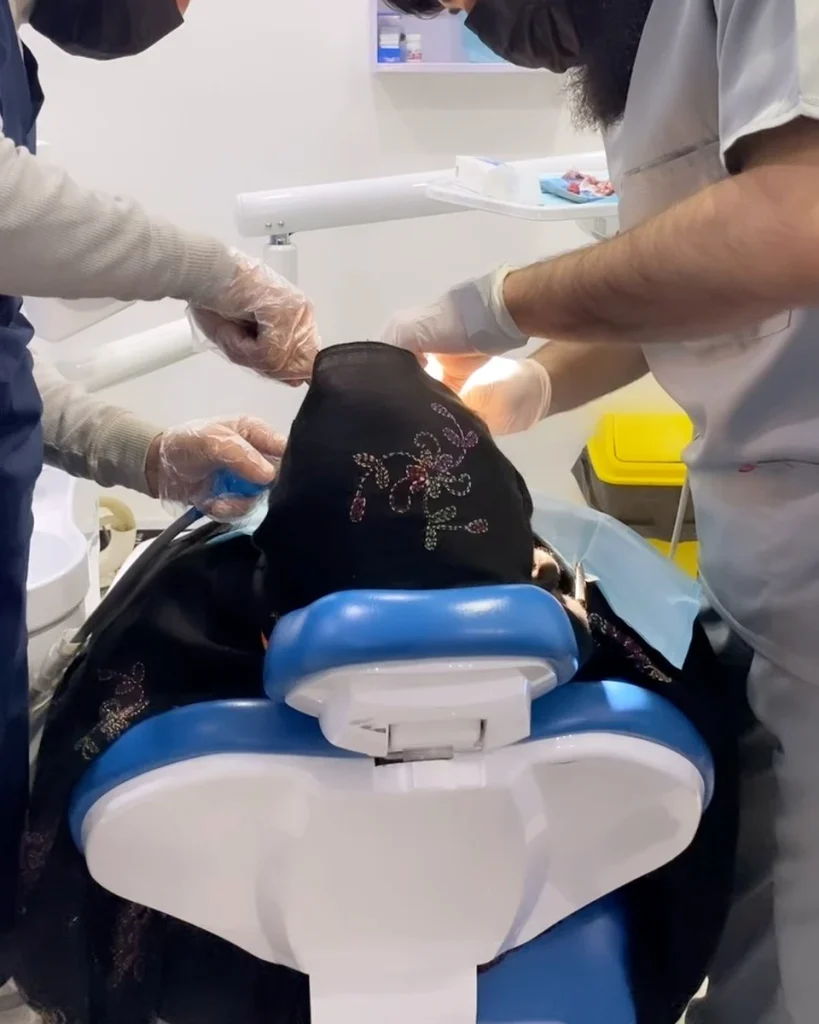
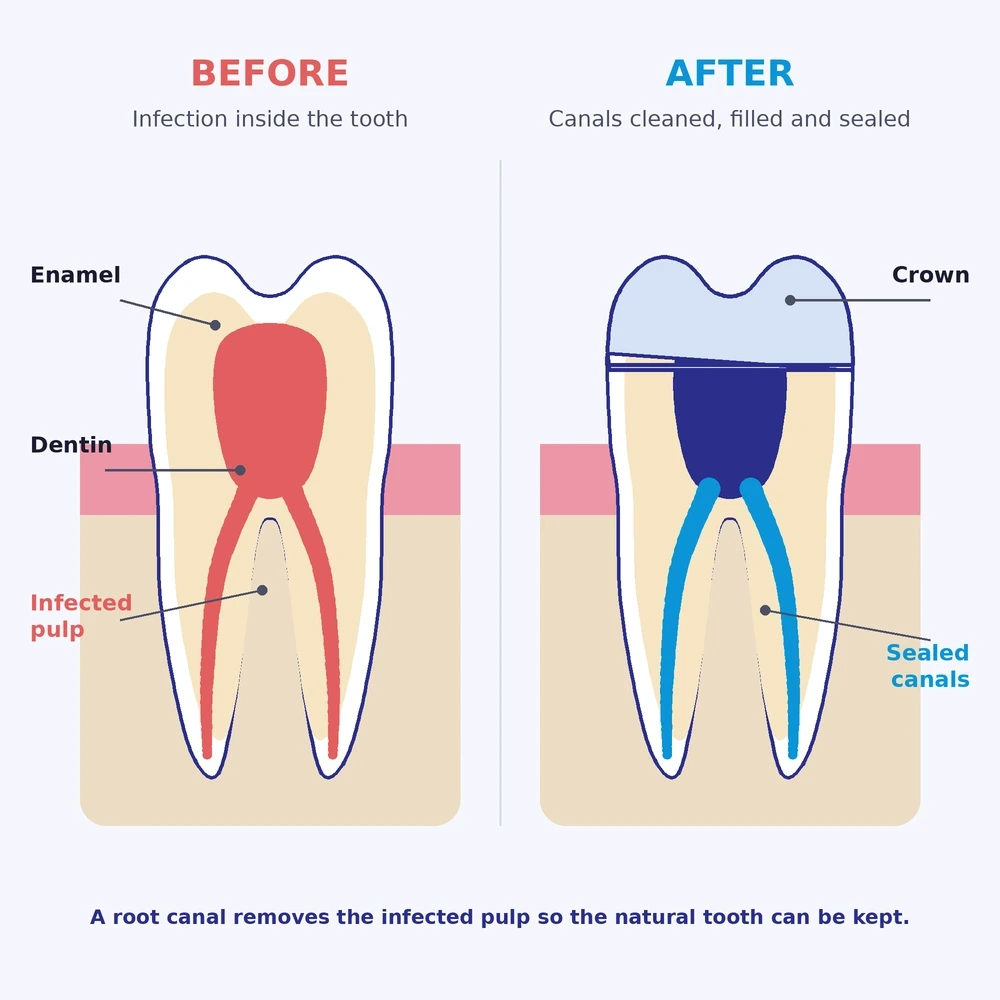
Root canal treatment is used to treat infection or inflammation inside a tooth. The treatment removes the affected pulp, cleans the inside of the tooth, and seals it to help prevent further infection. When the tooth can be restored, this may allow the natural tooth to remain in place.
A tooth may need root canal treatment because of:
Deep Tooth Decay
Cracked/Broken Tooth
Repeated Treatment
Injury to the Tooth
Infection Inside the Tooth
Dental Abscess
THE TREATMENT PROCESS
What Happens During Root Canal Treatment?
The exact process depends on the condition of the tooth. Treatment commonly involves several stages.
Dental Examination
Your dentist examines the painful or damaged tooth. X-rays may be recommended to understand the roots, infection, or surrounding bone.
Local Anaesthesia
Used to numb the treatment area, helping reduce pain and allowing comfortable treatment.
Removing the Infected Pulp
Access is created to the inside of the tooth and the infected or damaged pulp is removed.
Cleaning & Shaping
The root canal spaces are cleaned and shaped so they can be properly filled.
Filling & Sealing
The cleaned root canal is filled and sealed a filling or crown may be needed depending on remaining tooth structure.
Follow-Up Care
A follow-up appointment may be recommended to check the treated tooth and complete any required restoration.
WHEN TREATMENT HELPS
When Can Root Canal Treatment Save a Tooth?
Root canal treatment may be considered when the inside of a tooth is infected or badly inflamed but can still be restored. Keeping the natural tooth may help maintain normal chewing and alignment however, not every damaged tooth can be saved. Your dentist assesses remaining tooth structure, root condition, and surrounding tissues first.
WARNING SIGNS
Signs You May Need Root Canal Treatment
Severe Toothache
Pain When Biting
Prolonged Sensitivity
Swelling Around Tooth
Cracked Tooth
Recurring Infection
Root Canal or Extraction?
Root canal treatment aims to clean and preserve a tooth when it can be restored. Extraction removes it when keeping it isn’t suitable. The decision depends on tooth condition, surrounding tissues and overall oral health.
Does a Root Canal Hurt?
Discomfort varies between patients. The tooth is normally numbed first to help control pain — some soreness or sensitivity can occur for a short period after treatment.
How Is Pain Managed?
Dental implants still require regular oral care. Continue brushing and cleaning as advised, and keep up with regular dental check-ups to monitor the implant, gums, and restoration.
Do Not Ignore Severe Tooth Pain
Contact a dentist for an assessment, especially with swelling, fever, pain when biting, or a bad taste. Seek urgent medical help if swelling affects breathing, swallowing, or speaking.
Root Canal Treatment in Bahria Orchard
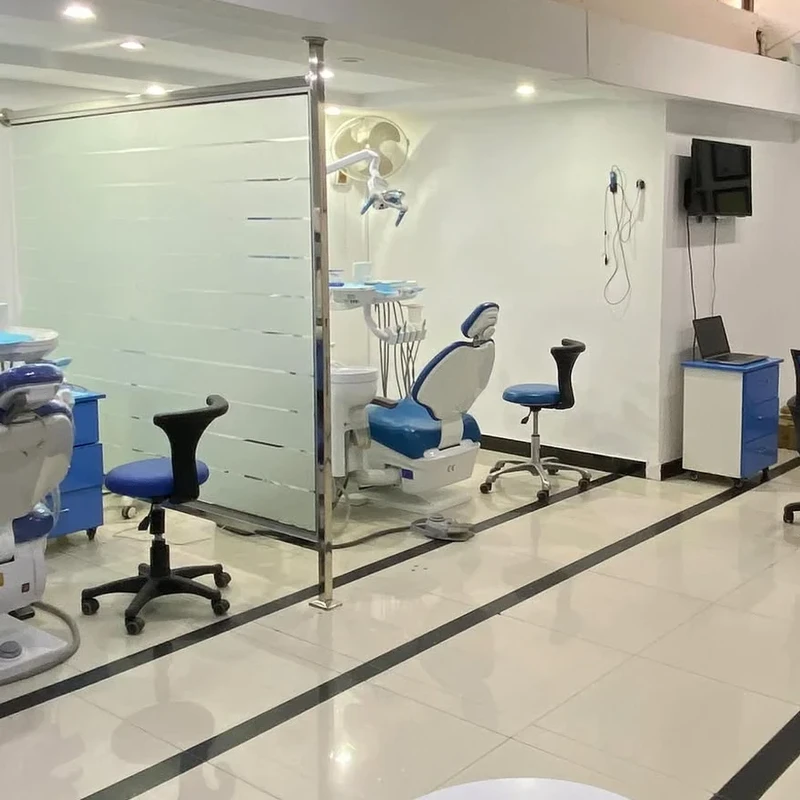
Bode Dental Clinic is located at Plaza #7, Central Commercial, Raiwind Road, near UBL Bank, Bahria Orchard, Lahore. Your consultation begins with an examination of the painful or damaged tooth, after which the dentist explains whether root canal treatment, restoration, extraction, or another option may be suitable.
TOOTH EXTRACTION
Removal When Restoration Isn’t Suitable
Tooth extraction is the removal of a tooth from its socket, considered when a tooth cannot be restored adequately or when removal suits the patient’s dental condition.
Common reasons for extraction:
Severely Damaged Teeth
Advanced Tooth Decay
Dental Infections
Severe Gum Damage
Impacted Teeth
Problematic Wisdom Teeth
What Happens During Extraction?
Your dentist examines the tooth and surrounding area; an X-ray may be recommended. Local anaesthesia numbs the area before removal. Some extractions are straightforward, others more involved your dentist explains the expected process.
What Is the Recovery Like?
Removing a tooth may create a missing-tooth space. Replacement options may include dental implants, bridges, or dentures your dentist can discuss suitable options once the site is assessed.
After Extraction, You May Be Advised to:
WISDOM TOOTH EXTRACTION
Not Every Wisdom Tooth Needs Removal
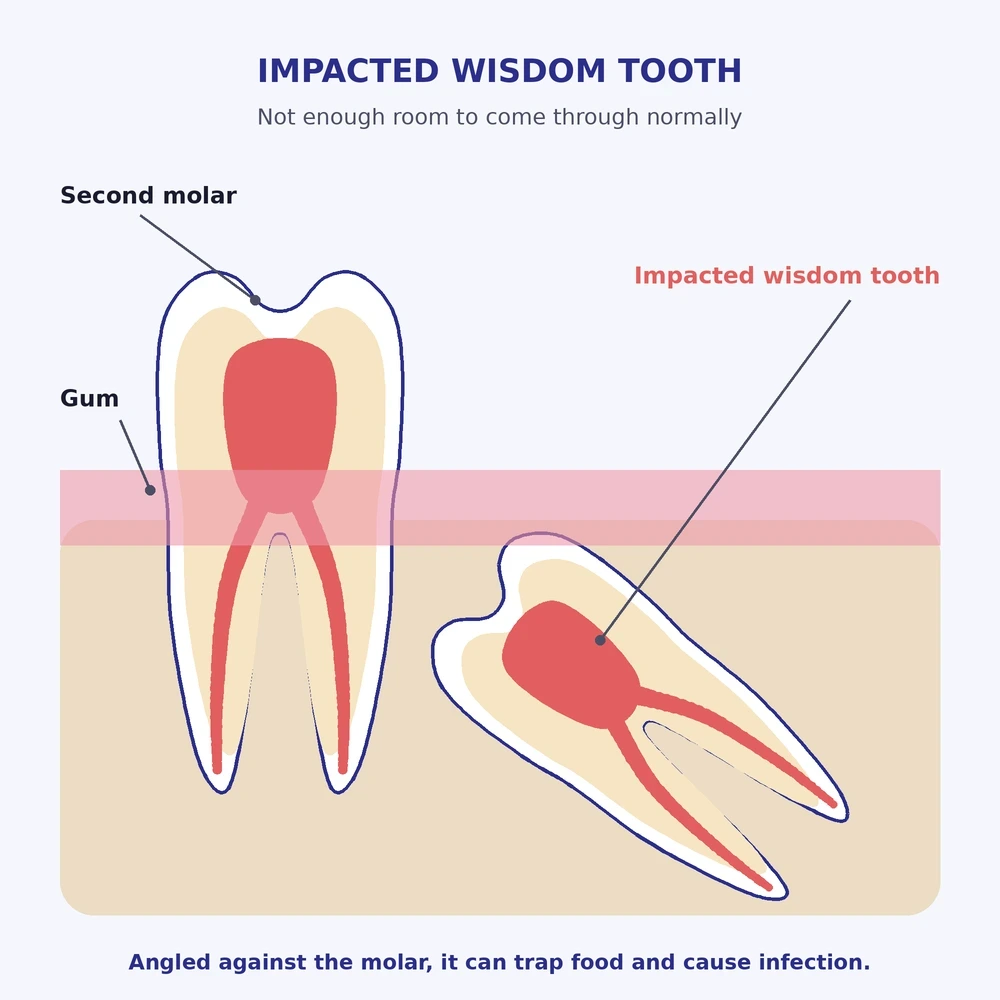
Wisdom teeth are the last teeth at the back of the mouth to develop. They may grow normally, or become trapped, partially emerge, or grow at an angle. If healthy and problem-free, your dentist may simply monitor it during checkups.
A problematic wisdom tooth may cause:
Pain
Swelling
Gum Infection
Trapped Food
Tooth Decay
Dental Abscess
Is Wisdom Tooth Removal Painful?
Local anaesthesia numbs the area during removal. You may feel pressure during the procedure. Some pain, swelling, or jaw stiffness can occur after your dentist provides aftercare instructions.
Impacted Wisdom Teeth
An impacted tooth doesn’t have enough space to come through normally, and may remain partly or fully covered by gum or bone. These can be harder to clean and may contribute to pain, infection, or decay.
QUICK REFERENCE
Root Canal or Extraction: Which Treatment Do You Need?
This table provides general information only — your dentist needs to examine your tooth before recommending treatment.
|
Dental Problem |
Possible Treatment |
|---|---|
|
Infected tooth that can be restored |
Root canal treatment |
|
Deep decay affecting the pulp |
Root canal treatment |
|
Severely damaged tooth |
Root canal or extraction |
|
Problematic wisdom tooth |
Extraction |
|
Tooth that cannot be restored |
Extraction |
|
Missing tooth after extraction |
Implant, bridge, or denture |
YOUR VISIT
What to Expect at Your Dental Visit
COMMON QUESTIONS
Frequently Asked Questions About Root Canal & Extraction
Still unsure which treatment applies to you? Message us on WhatsApp.
Book Your Root Canal or Extraction Consultation
If you have severe or persistent tooth pain, don’t ignore it. Contact Bode Dental Clinic for an assessment and the right next step for your tooth.