
TOOTH REPLACEMENT · RESTORATIVE DENTISTRY
Dental Implants in Bahria Orchard, Lahore
Missing a tooth can affect how you chew, speak, and feel about your smile. Dental implants can replace a missing tooth by supporting an artificial tooth over an implant placed in the jawbone.
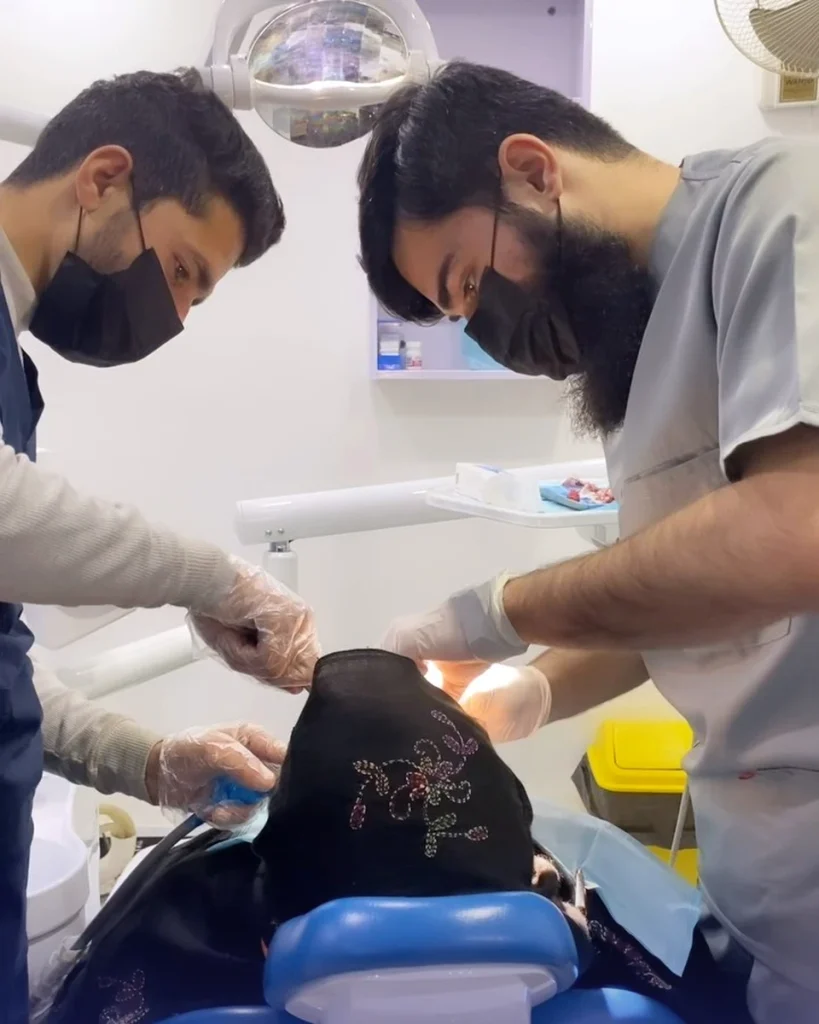
At Bode Dental Clinic, implant treatment starts with an examination and discussion of your dental needs — your dentist assesses your teeth, gums and supporting bone before explaining suitable options.
WHAT ARE DENTAL IMPLANTS?
A Fixed, Long-Term Tooth Replacement
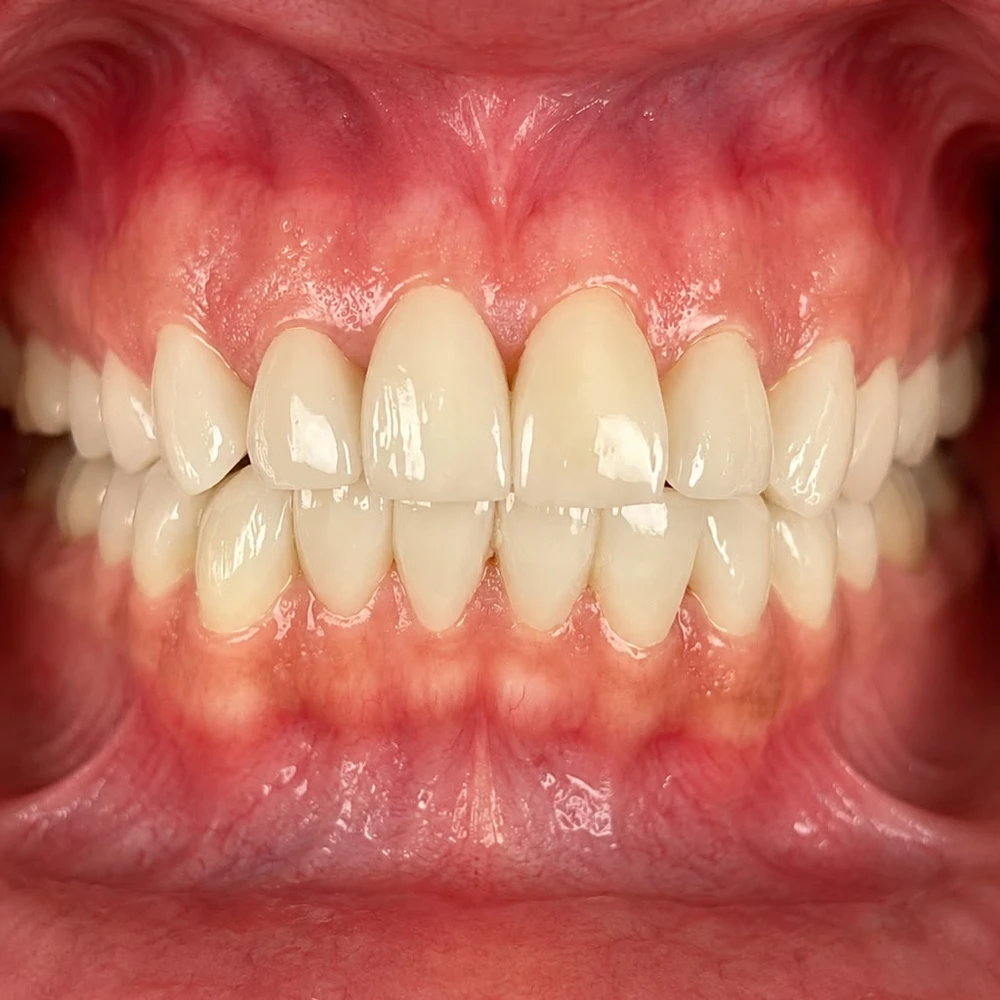
A dental implant is a small structure placed into the jawbone to replace the root portion of a missing tooth. It can support a crown, bridge, or denture the implant provides support below the gum, while the visible replacement tooth restores the missing part of your smile.
If you have lost one tooth, an implant-supported crown may be considered. Multiple missing teeth may be replaced using implant-supported bridges or dentures, depending on your dental condition.
A dental implant is not suitable for every patient. Your oral health, available bone, gum condition, general health, and treatment goals can all affect the treatment plan.
WHEN YOU MAY NEED THEM
Common Reasons for Tooth Loss
Dental implants may be considered when you have one or more missing teeth and want a fixed tooth replacement option. Your dentist will first determine why the tooth is missing and whether surrounding teeth and gums are healthy enough for treatment.
Tooth Decay
Gum Disease
Dental Injury
Severely Damaged Tooth
Tooth Extraction
Long-Term Dental Problems
Dental Implants in Bahria Orchard
If you are looking for dental implants in Bahria Orchard, the first step is a proper dental assessment. Bode Dental Clinic is located at Plaza #7, Central Commercial, Raiwind Road, near UBL Bank, Bahria Orchard, Lahore. During your consultation, your dentist can discuss your missing tooth, examine your oral health, and explain whether an implant, bridge, denture, or another option may suit your situation.
THE TREATMENT PROCESS
How Does Dental Implant Treatment Work?
Dental implant treatment usually involves several stages. The exact process varies from patient to patient.
Dental Examination
Your gums, remaining teeth, bite, and available bone are examined. X-rays or other imaging may be recommended for treatment planning.
Treatment Planning
Your dentist discusses available options — from a single implant and crown to multiple implants or a different restoration.
Dental Implant Placement
The implant is placed into the jawbone during the surgical stage, commonly under local anaesthesia.
Healing Period
The implant needs time to bond with the surrounding bone. Healing time varies some cases take several months, especially with additional procedures.
Final Tooth Replacement
After healing and assessment, a crown, bridge, or denture is attached to the implant.
SUITABILITY
Who May Be Suitable for Dental Implants?
Dental implants are not automatically suitable for everyone with missing teeth. A consultation is important before deciding on permanent tooth replacement.
If there is not enough bone, additional treatment such as bone grafting may sometimes be considered.
BENEFITS
Benefits of Dental Implants
Dental implants can offer several benefits when they are suitable for the patient. The expected benefits depend on your individual dental condition and the type of restoration used.
Replace one or more missing teeth
Support a fixed crown or bridge
Support some types of dentures
Help restore chewing function
Avoid preparing neighbouring teeth for some bridgework
Help maintain bone at the implant site
SURGERY
Dental Implant Surgery
Dental implant surgery involves placing the implant into the jawbone, normally carried out after a detailed assessment and treatment plan. Local anaesthesia is used to numb the treatment area. The number of implants, location of the missing teeth, bone condition, and planned restoration can affect the treatment process. Your dentist should explain the procedure, expected healing period, possible risks, and alternatives before treatment.
RECOVERY
What Is the Recovery Like?
Some discomfort and swelling can occur after implant surgery, usually managed with the post-treatment instructions provided by the dental team. You should follow the instructions given about cleaning, eating, medication, and follow-up appointments. Keeping the implant area clean is important — long-term maintenance also helps protect the gums and supporting bone around the implant.
COST
Common Reasons for Tooth Loss
Patients often search for dental implant cost or price in Lahore before booking a consultation. There is no single price that applies to every patient the treatment cost depends on several factors:
Number of Missing Teeth
Number of Implants Required
Type of Implant
Type of Crown/Restoration
Condition of Gums
Available Jawbone
Additional Procedures
Complexity of Treatment
For this reason, the treatment cost can only be estimated accurately after an examination and treatment plan. At Bode Dental Clinic, you can discuss your dental condition and treatment options during your consultation before deciding how to proceed.
Implants or Other Options?
An implant is not the only way to replace a missing tooth. Depending on your condition, alternatives may include a conventional bridge or denture — each with different requirements, benefits and maintenance needs.
Why Assessment Matters
Choosing an implant should begin with diagnosis rather than the procedure itself identifying issues like active infection, gum problems, or insufficient bone before placement.
Caring for Your Implant
Dental implants still require regular oral care. Continue brushing and cleaning as advised, and keep up with regular dental check-ups to monitor the implant, gums, and restoration.
COMMON QUESTIONS
Frequently Asked Questions About Dental Implants
Still unsure if implants are right for you? Message us on WhatsApp and we’ll help you understand your options.
Book Your Dental Implant Consultation
If you have a missing tooth and are considering an implant, start with a consultation. Your dentist can examine the area, discuss your concerns, and explain suitable options.